Curiosity has always guided my path, from the mysteries of space to the intricacies of planetary formation. With a BS-MS Dual Degree in Physics from IISER Berhampur, my academic journey has been shaped by a profound fascination with astrophysics—particularly the intricate dance of celestial bodies and the cosmic dust that forms planetary systems. My research delves deep into the enigmatic processes within protostellar envelopes, employing advanced data analysis techniques to uncover the hidden worlds emerging from the depths of space.
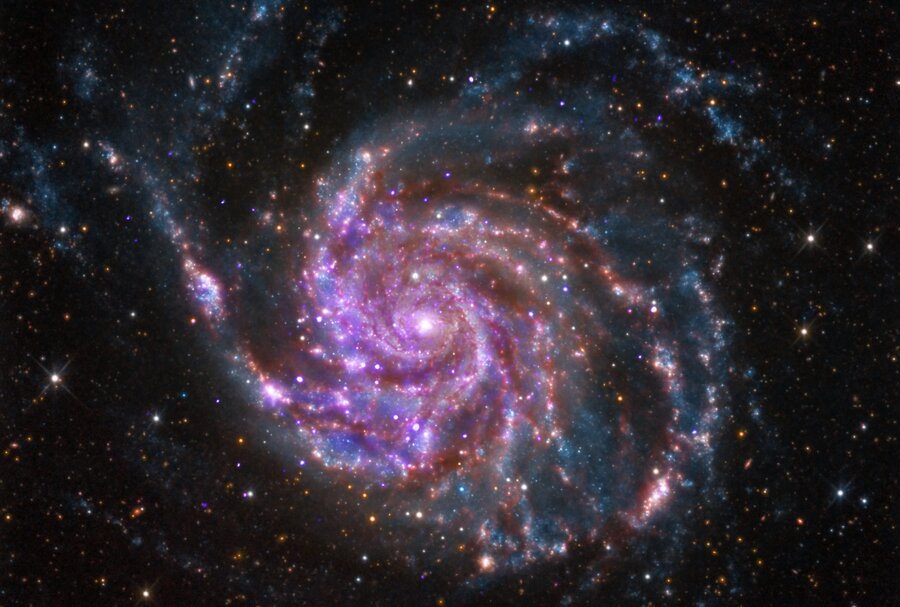
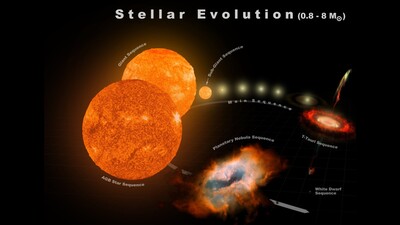
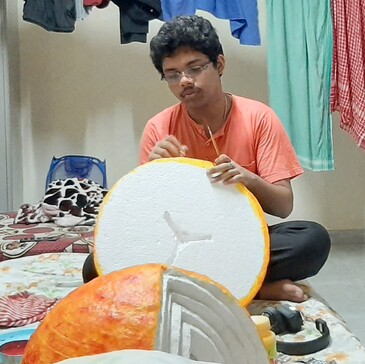
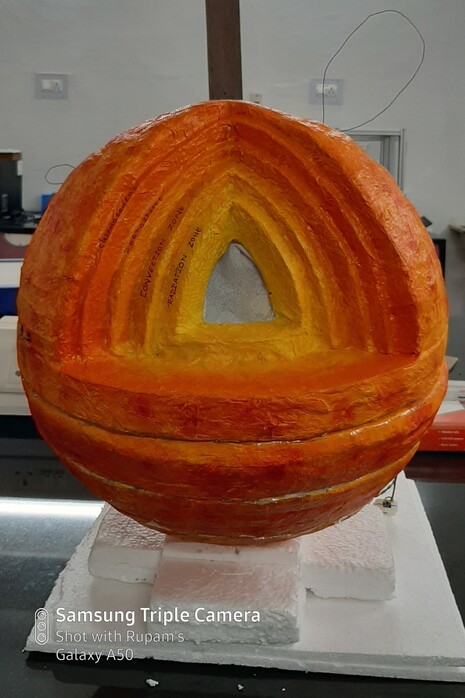
Driven by the desire to unlock the secrets of distant worlds, I’ve honed my skills in statistical modeling, astronomical data interpretation, and Python programming. My dedication extends beyond research, as I've shared my knowledge through presentations on “Introduction to Galaxies” and “Stellar Evolution” in our Astronomy Club, crafted educational models of the Sun for school students, and explored the dynamics of Supernova-hosting Galaxies during my internship. My experience in Radio Astronomy has further enriched my understanding of the universe.
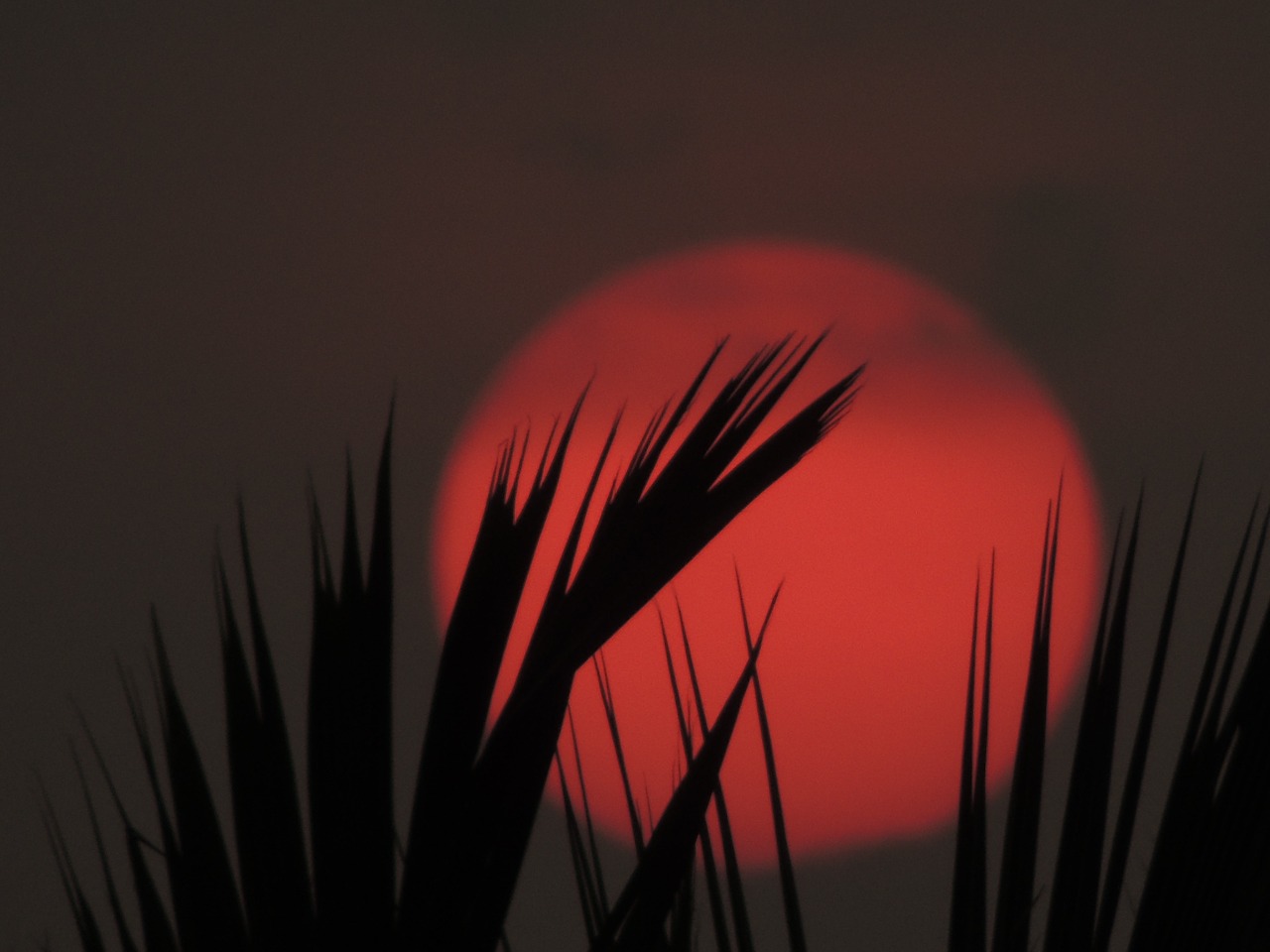
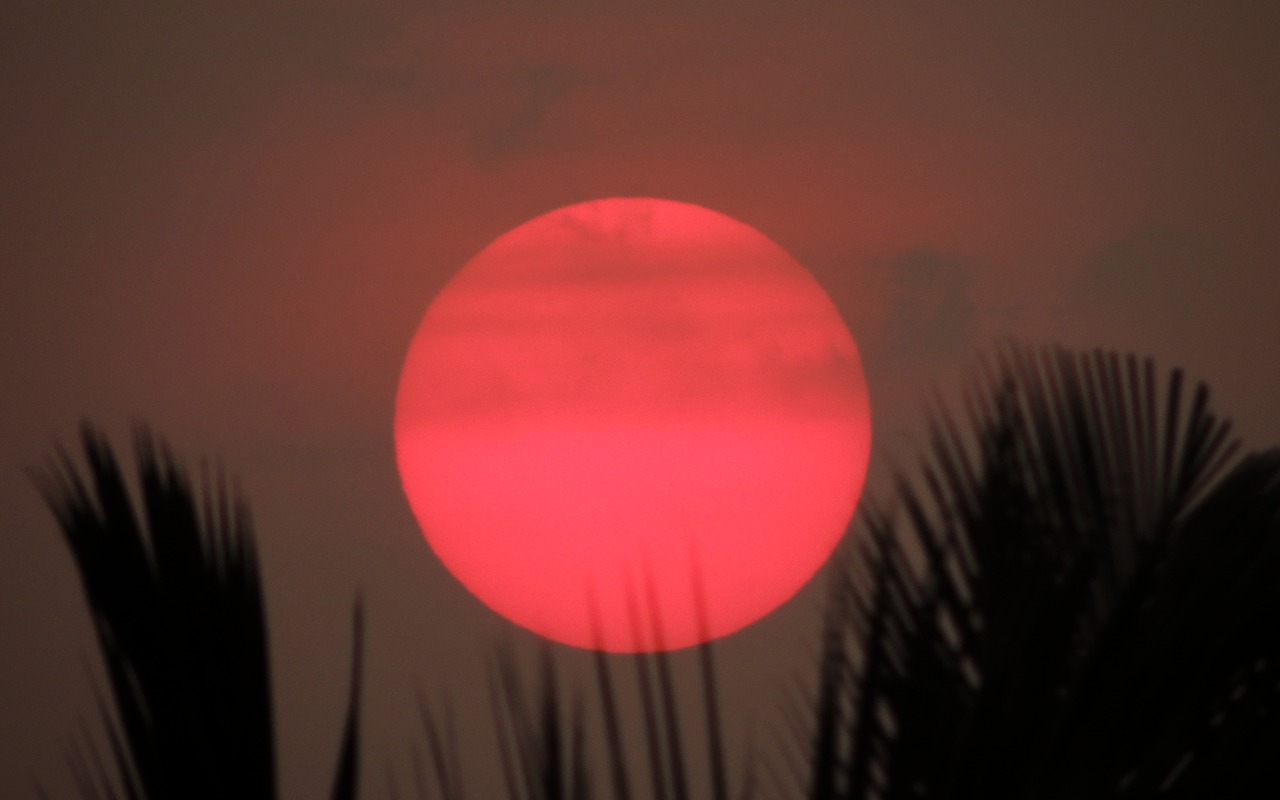
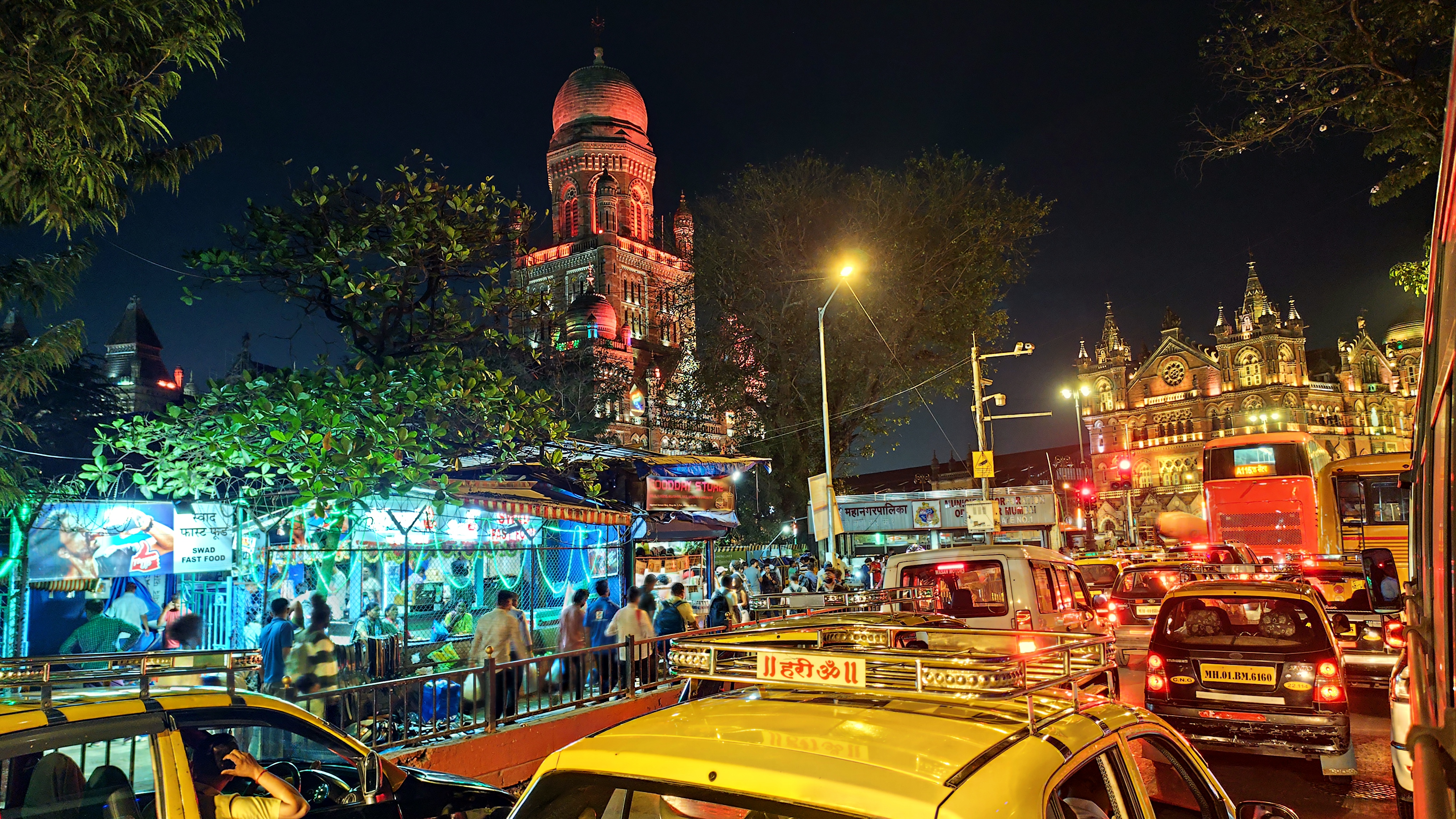
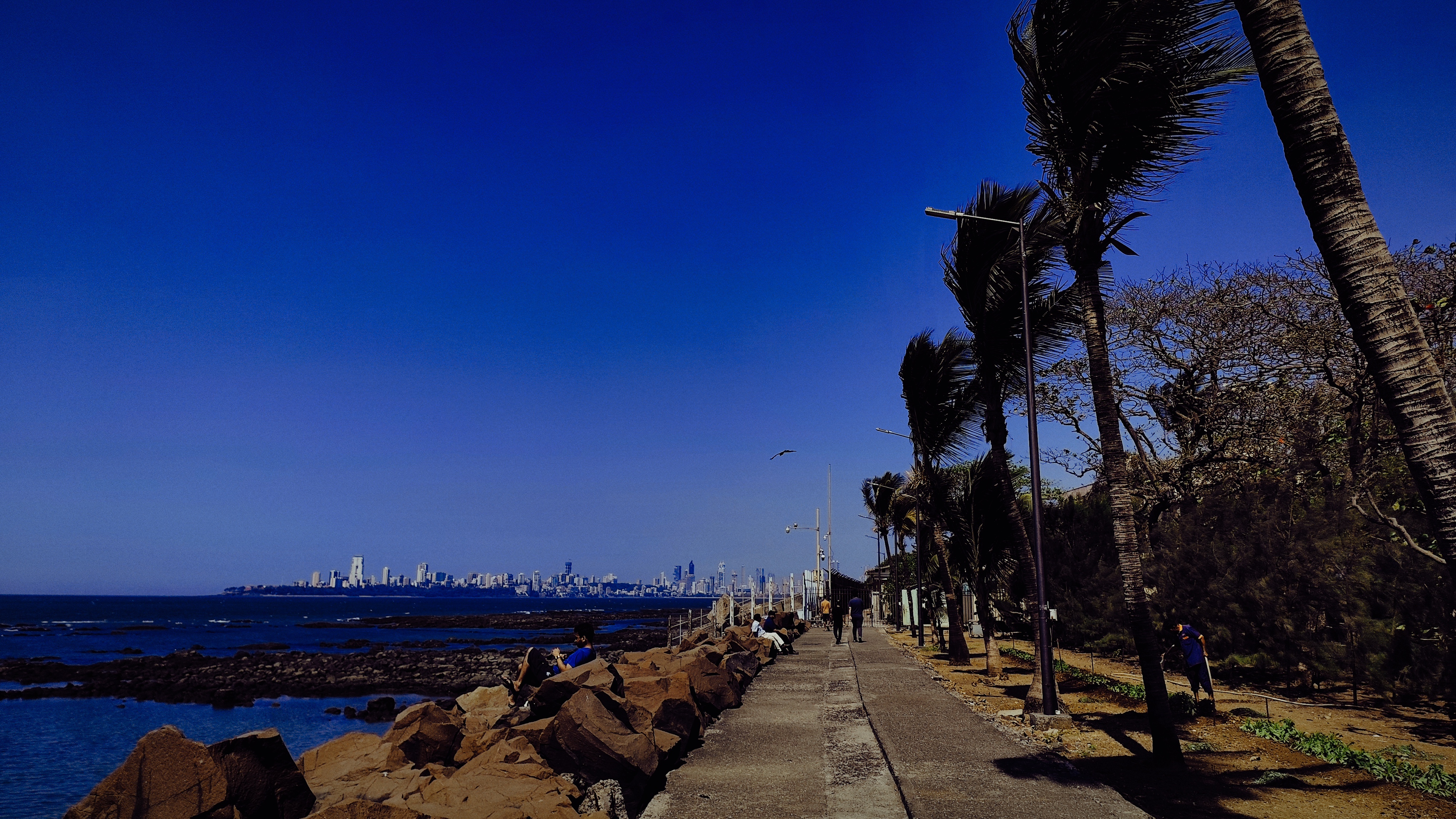
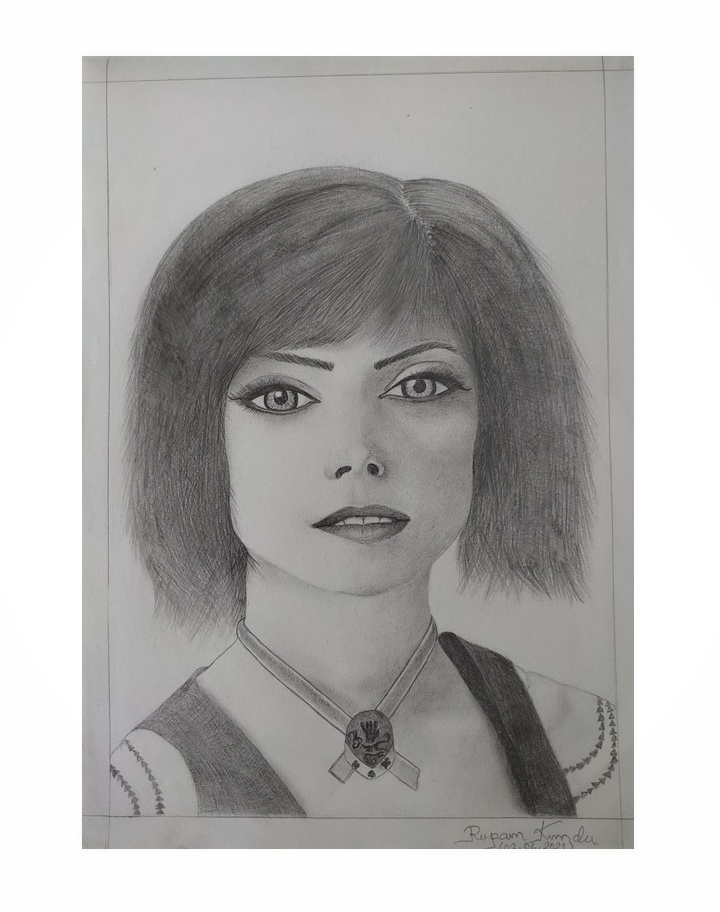
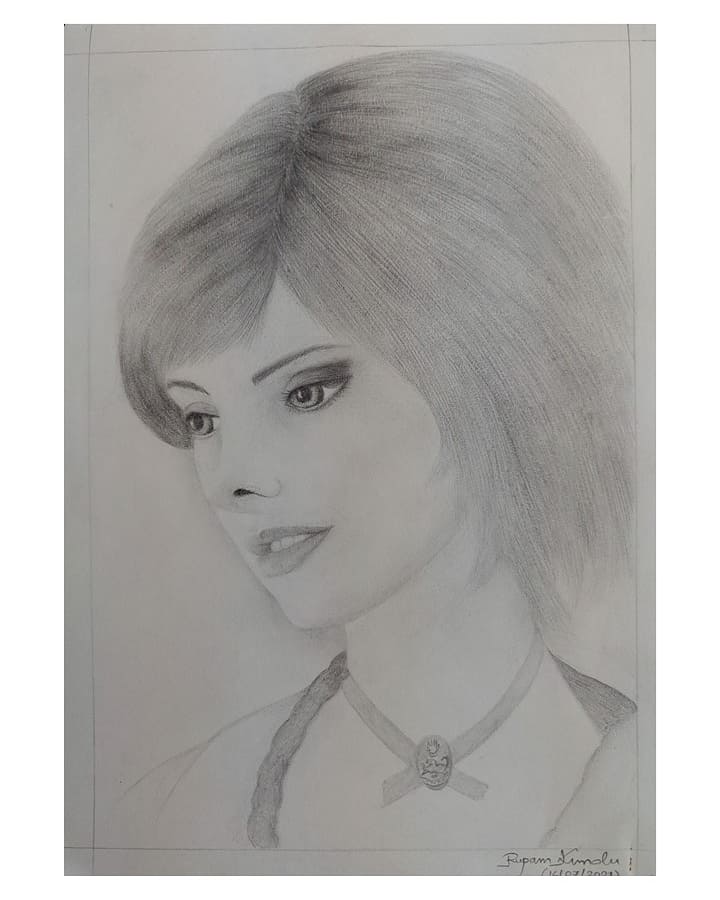
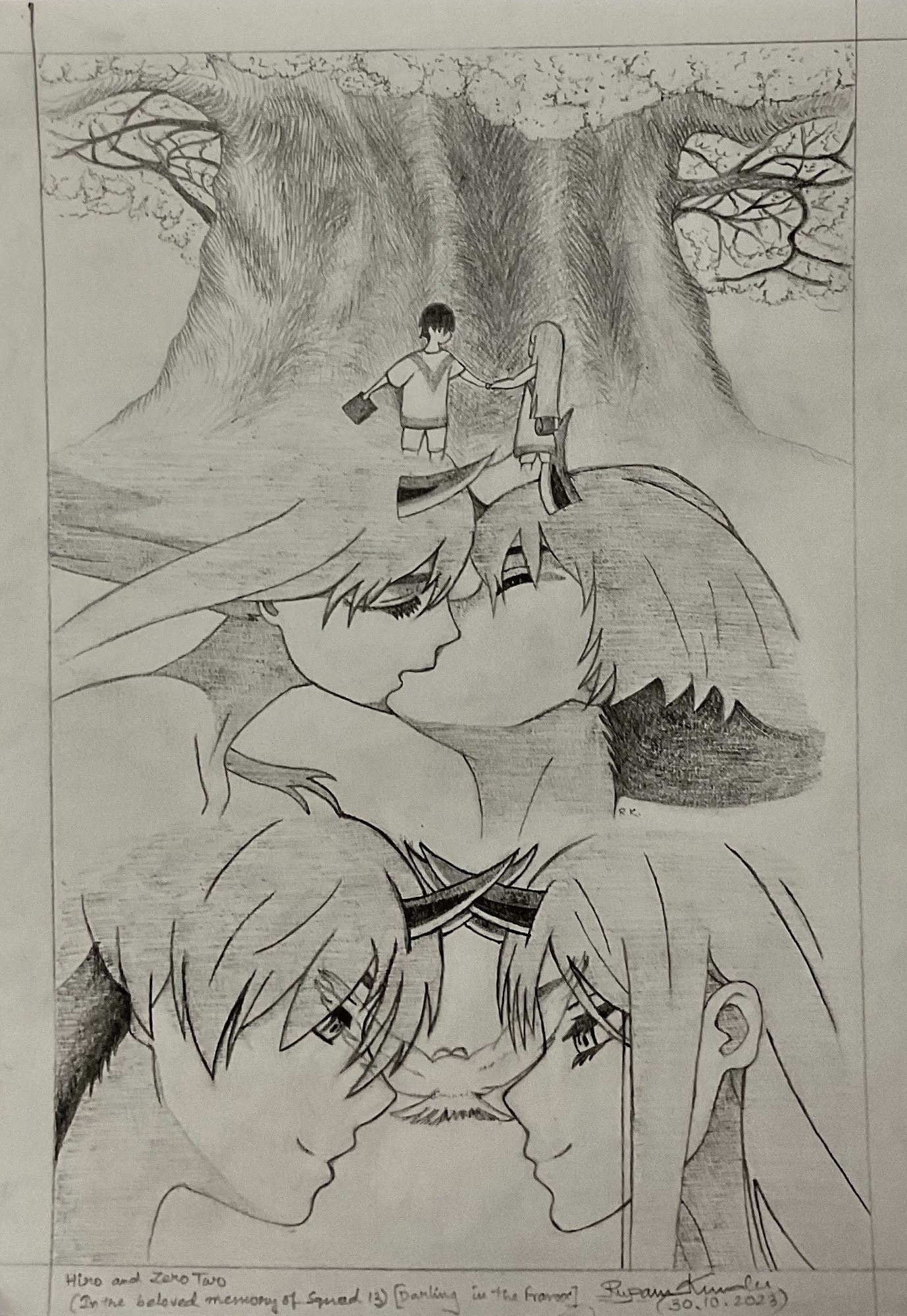
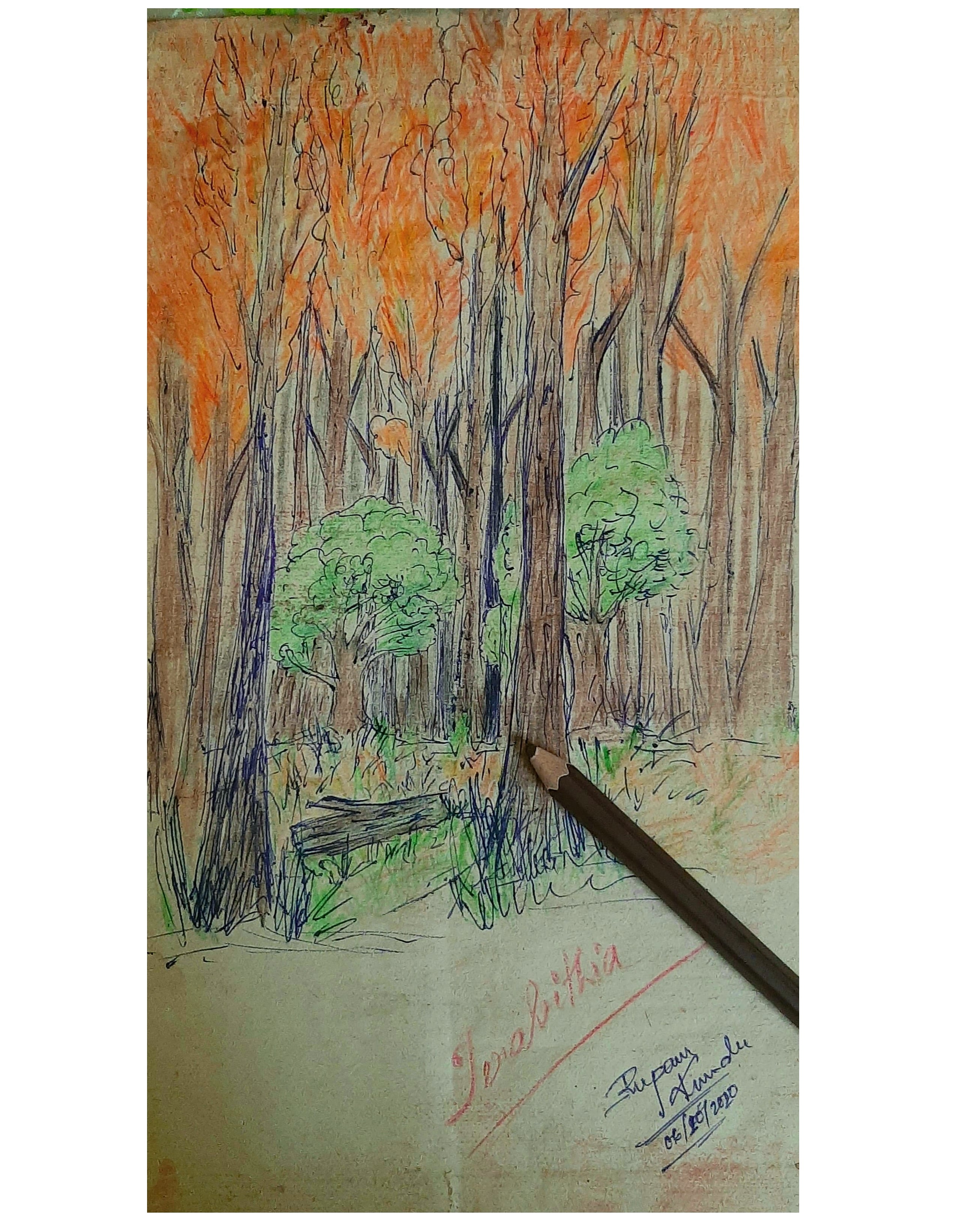
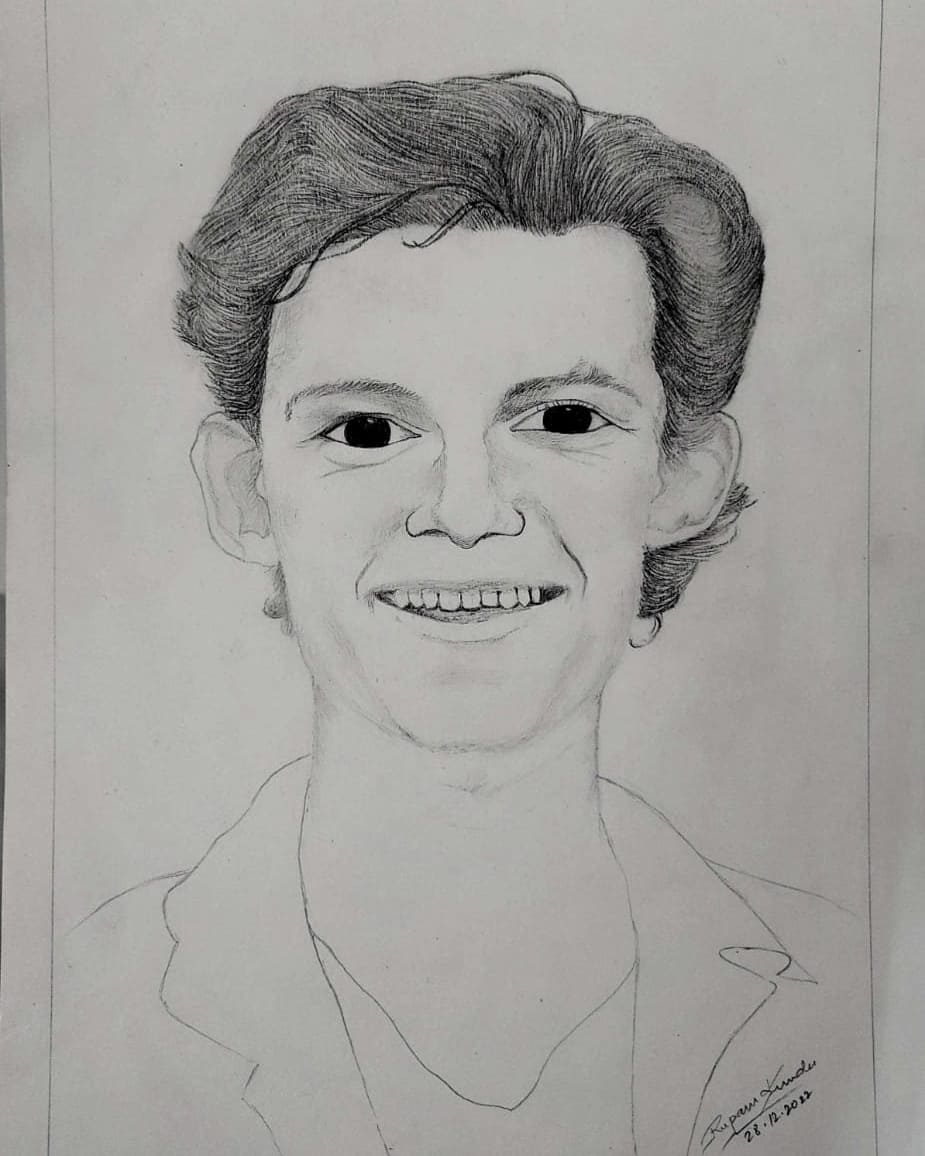
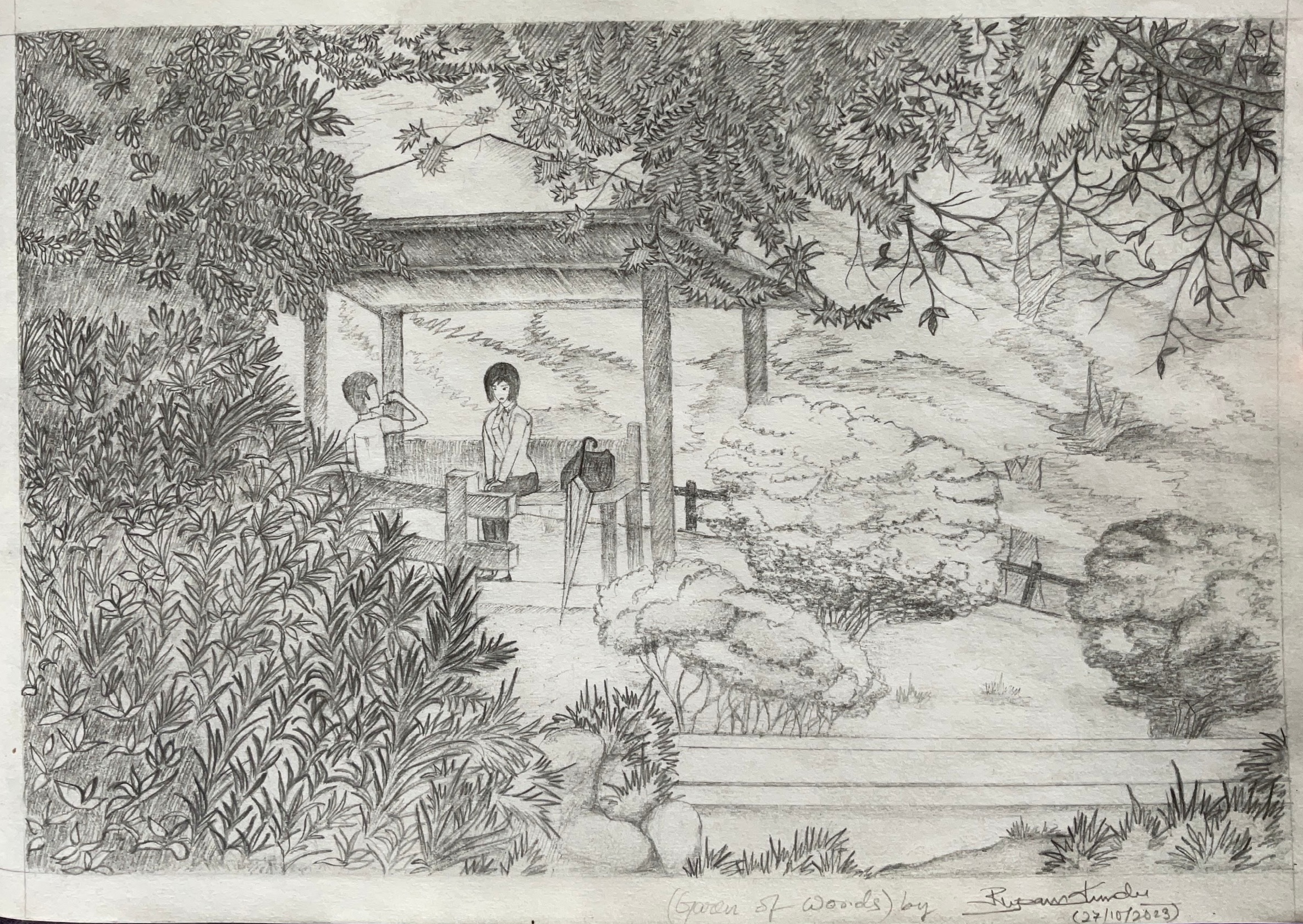
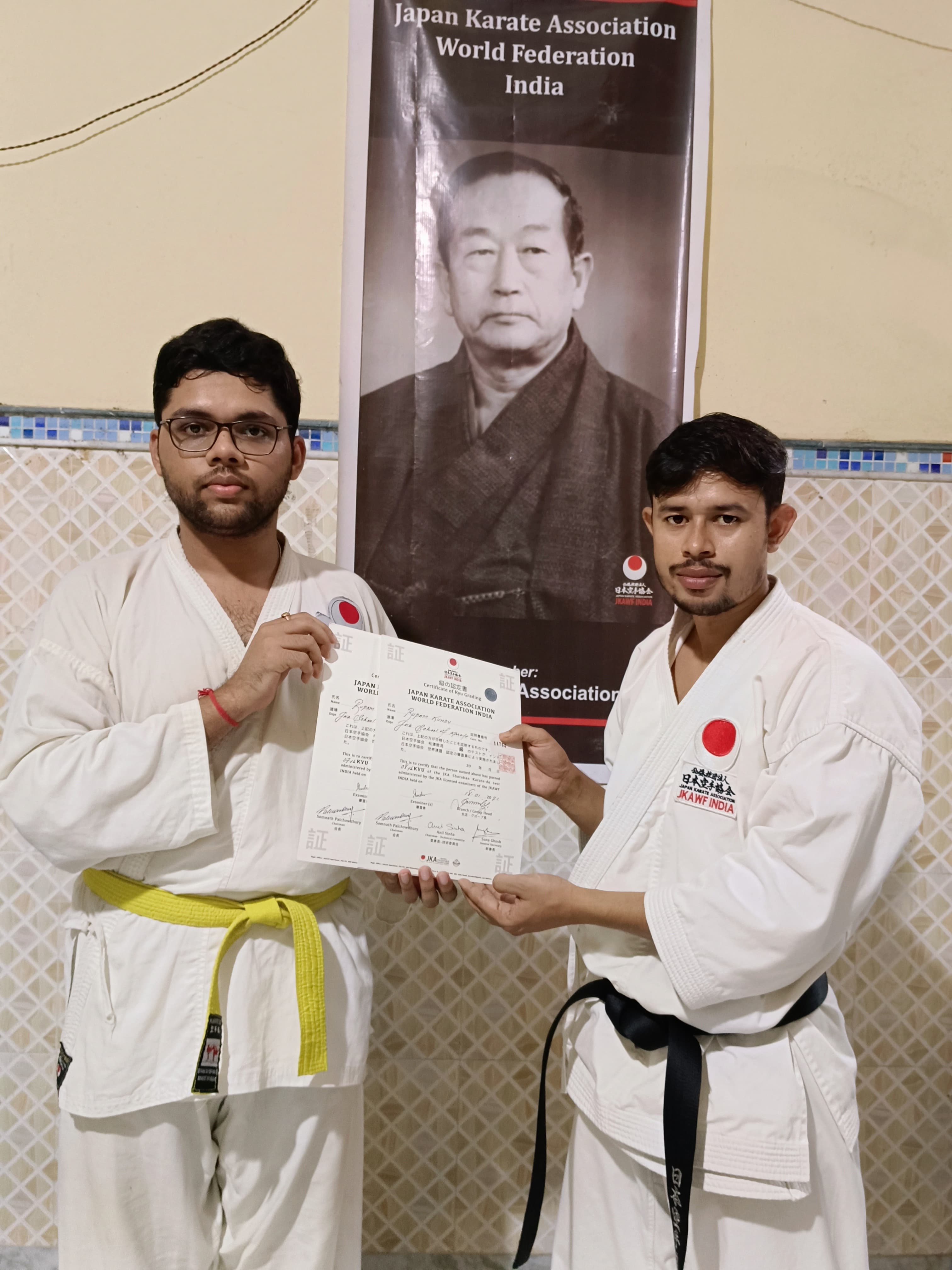
Beyond the stars, my creative side finds expression through photography and a range of artistic and physical pursuits. I balance the rigors of science with the enjoyment of Swimming, Recitation, Yoga, Karate, Sarod, and Pencil sketching, enriching my life with diverse interests and skills.

June 2023 - June 2024
Advisor: Dr. Manoj Puravankara
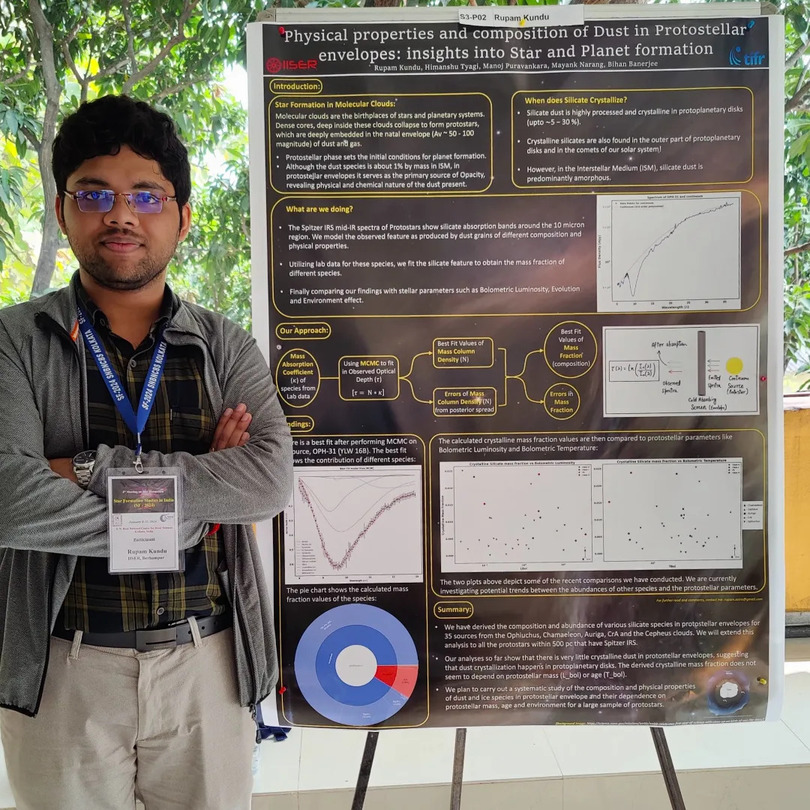
Topic: Physical Properties and Composition of Dust in Protostellar Envelopes: insights into Star and Planet formation
August, 2019 - August, 2024
Major: Physics Minor: Computer Science
Active member of the Astronomy club (NAXATRA) and Physics Club (137 Inverse) of IISER Berhampur.
2019
Subjects: Physics, Mathematics, Chemistry, Computer Application, English & Bengali
2017
Subjects: Physical Science, Mathematics, Life Science, Geography, History, English & Bengali
Experienced with Python (Numpy, SciPy, Matplotlib, Pandas, Astropy, Plotly, emcee), LaTeX, MATLAB, Mathematica, TOPCAT, SAOImageDS9
Spectroscopic data analysis, Handling low-resolution spectra, MCMC, Spectral Analysis, Optical Depth fitting, Noise reduction techniques
Bengali, Hindi, English (IELTS band score: 7)
Proficient in 3D modeling with DAZ
[Click to see more]
June 2023 - May, 2024
An in-depth research focusing on the composition of dust and ice species within protostellar envelopes,
with particular emphasis on the role of silicate species in planetary system formation.
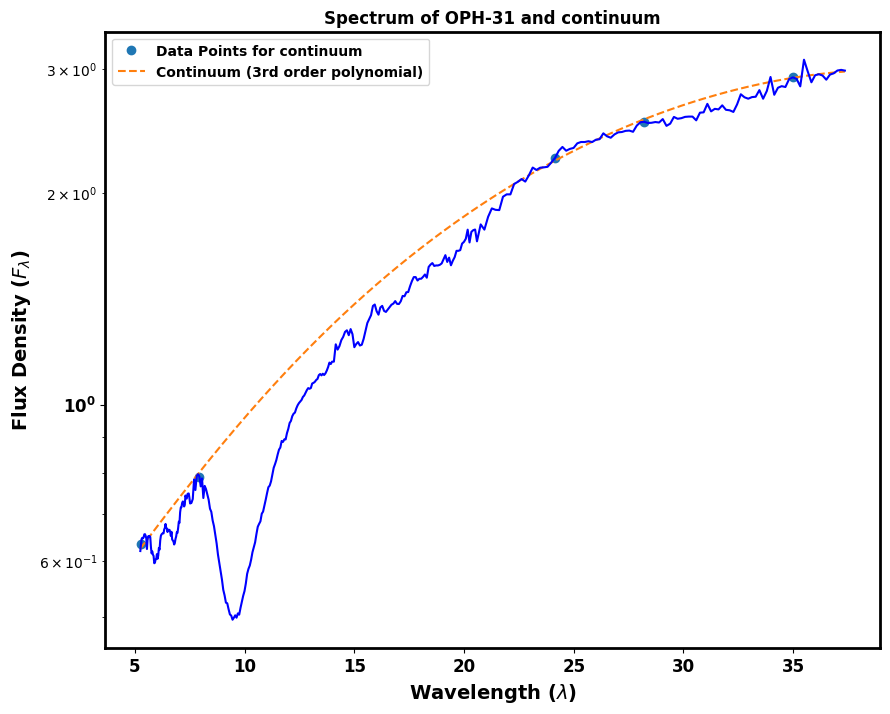
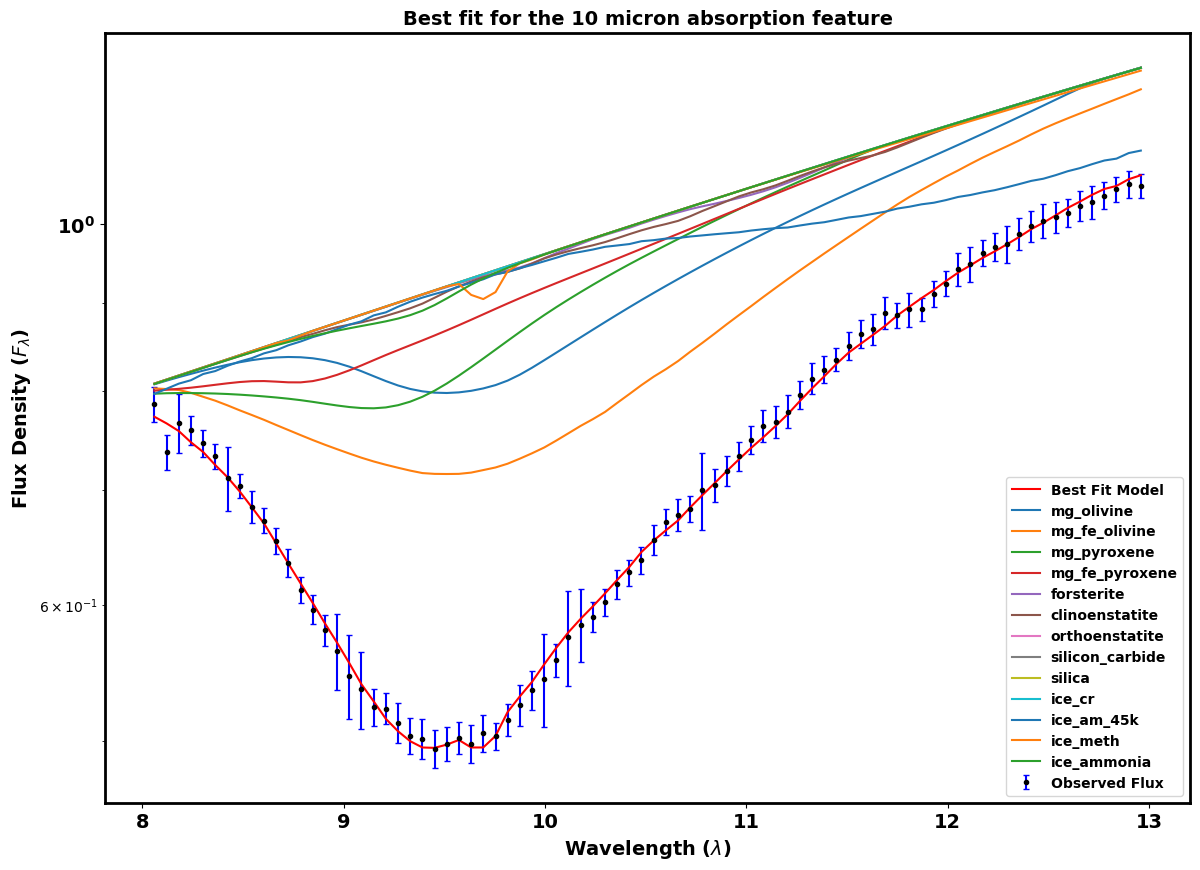
Using mid-infrared spectra (8-13 μm) from 202 protostars across 10 star-forming regions
within 500 arcseconds, I analyzed low-resolution data from the Spitzer Space Telescope’s Infrared Spectrograph (IRS).
Key outcomes of the work include the development of an MCMC model to determine dust and ice composition,
which revealed several new protostellar sources with crystalline dust exceeding 2%, a key discovery
exceeding the typical limit of crystalline dust in the interstellar medium. Additionally,
I explored correlations between dust species properties and protostellar parameters,
such as bolometric temperature and luminosity. These results offer valuable insights
into the role of different species in the evolution of protostellar systems and
lay the groundwork for further study. (Manuscript in preperation)
August, 2023
This project focused on galaxy evolution, star formation, and metallicity gradients, utilizing the MUSE Integral Field Spectrograph on the VLT as part of the AMUSING survey. We analyzed a sample of nearby supernova-hosting galaxies to study local and global galaxy properties. Using Python, we binned pixels in different regions, examined the impact of local vs. global data, and explored the influence of galaxy morphological types. Our findings highlighted potential biases in cosmological studies when only global data is used, underscoring the importance of spatial binning in galaxy evolution and cosmology studies.
April 2014
The project involved the use of radio antennas at different positions to obtain the Sky Brightness function. The 2D Fourier transformation was applied to this function to derive the Visibility function, which was measured by correlating signals from pairs of telescopes. UV coverage was analyzed from the pairwise separation of telescopes, and inverse Fourier transforms were performed to produce Dirty Maps. The CLEAN algorithm was then utilized to generate Clean Maps. Data from EHT stations was used to understand projected baselines and improve image resolution by utilizing Earth’s rotation. Antenna locations were customized, and desired imaging results were successfully achieved.
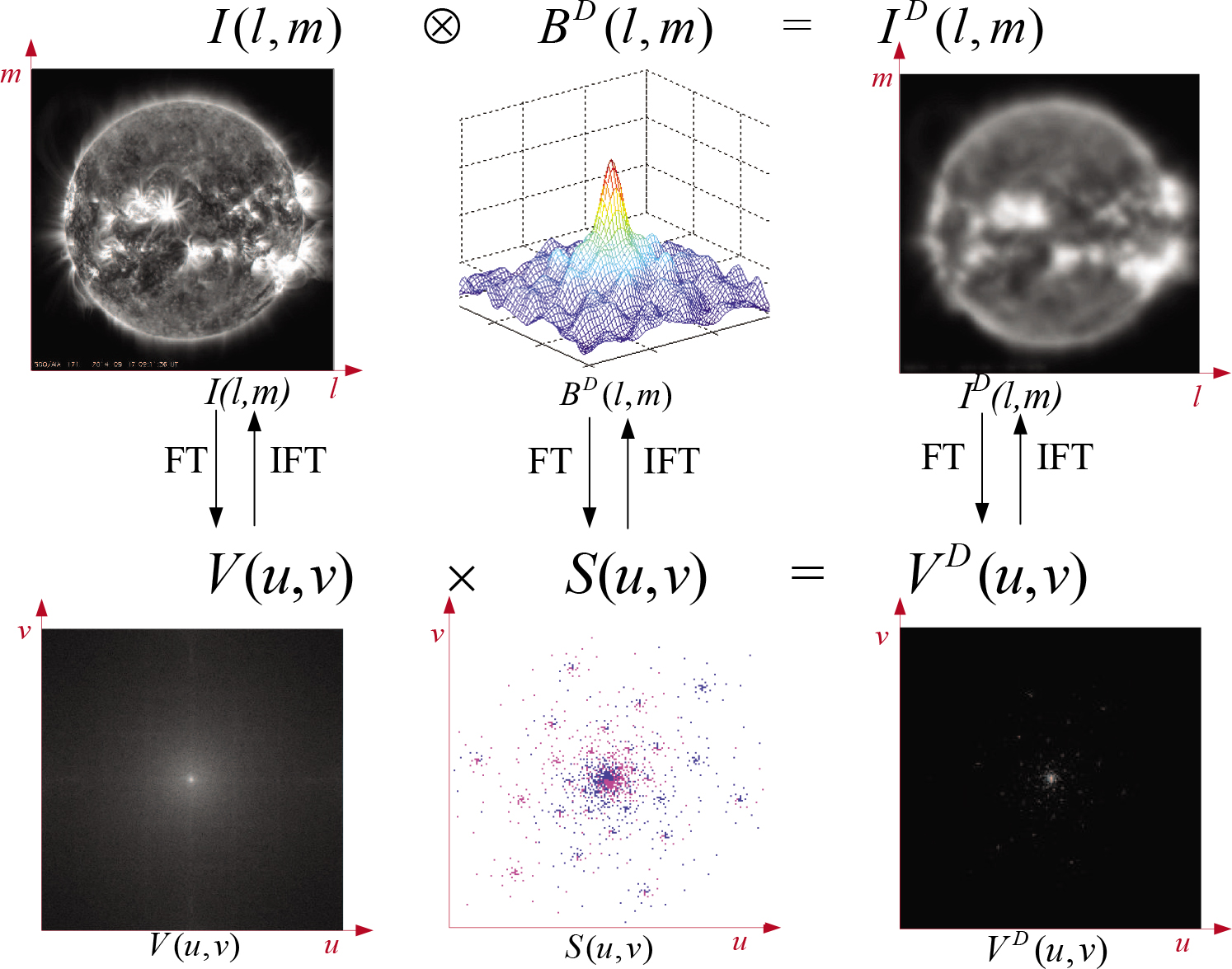
(Image Source: IOPscience)
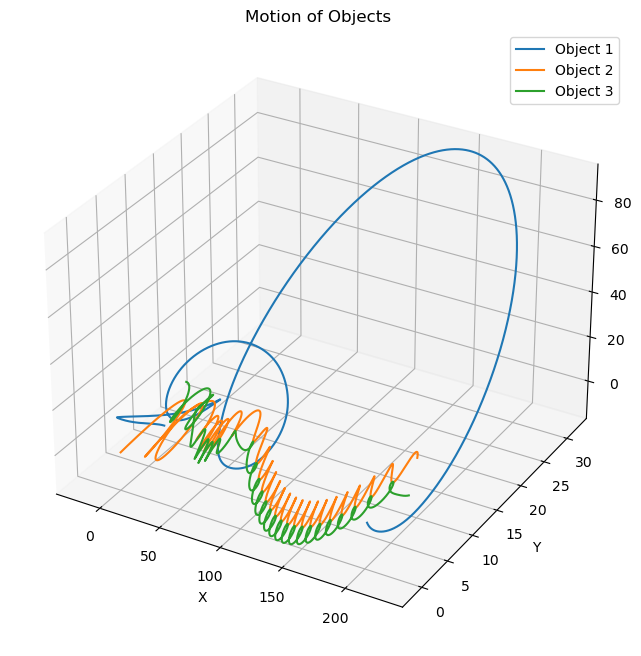
See MoreSemester Project completed during the Numerical Methods and Programming course under the guidance of Dr. Achanta Venugopal.
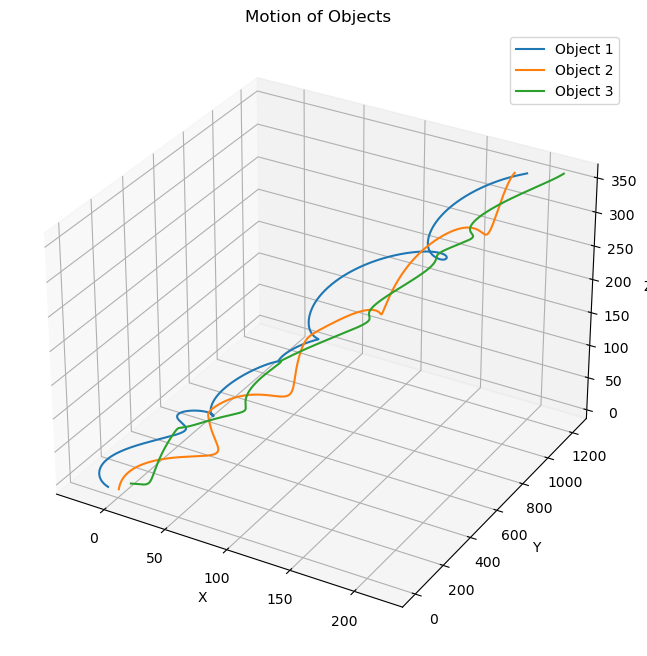
Trajectory of three bodies
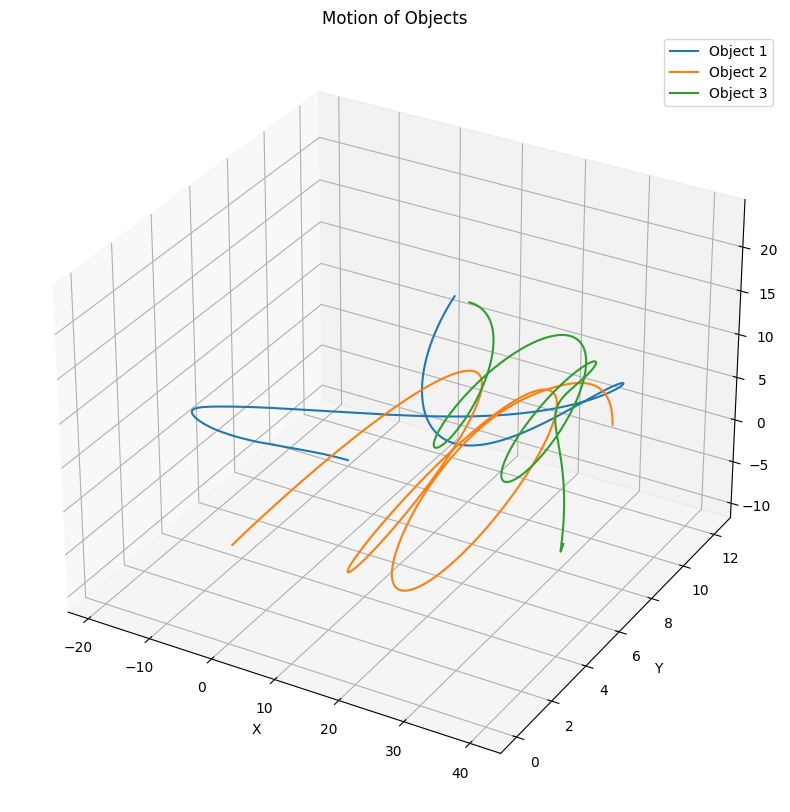
Trajectory with step size 0.0001
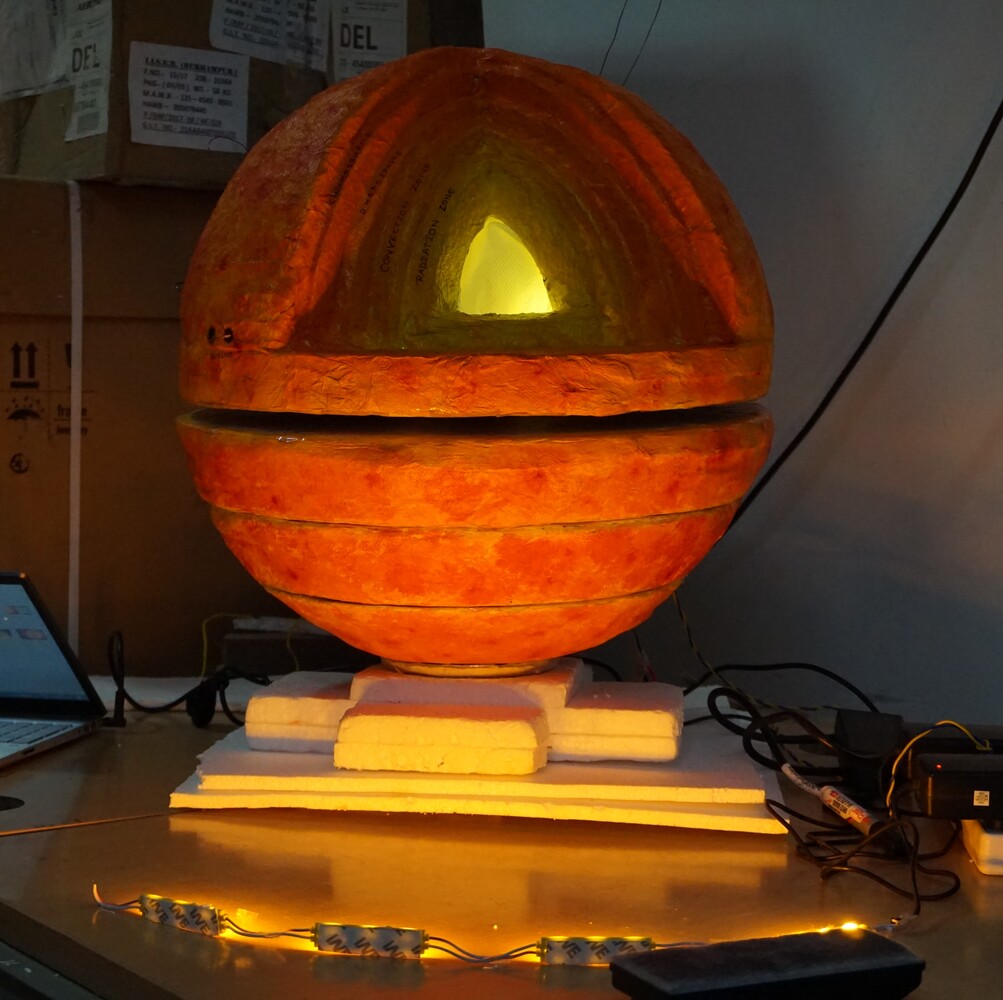
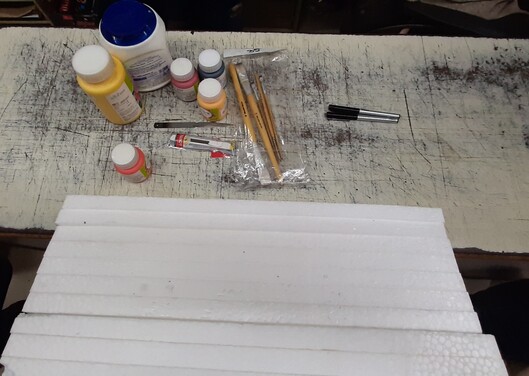
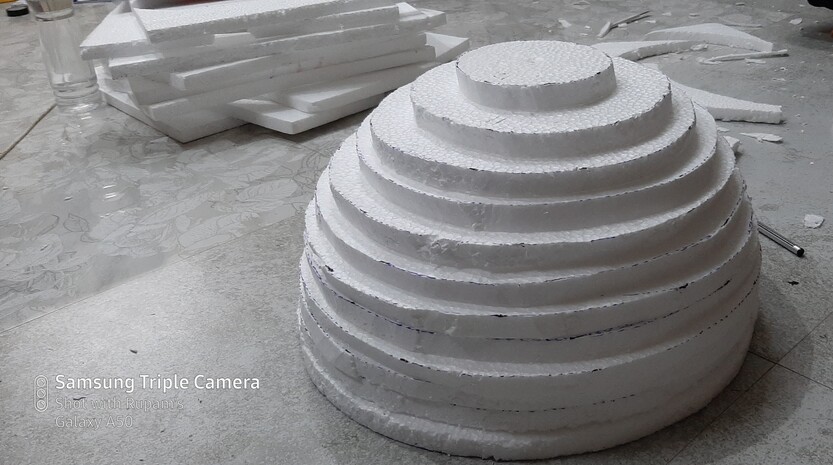
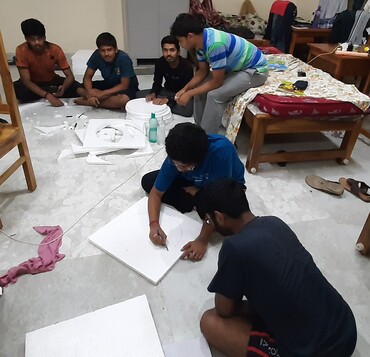
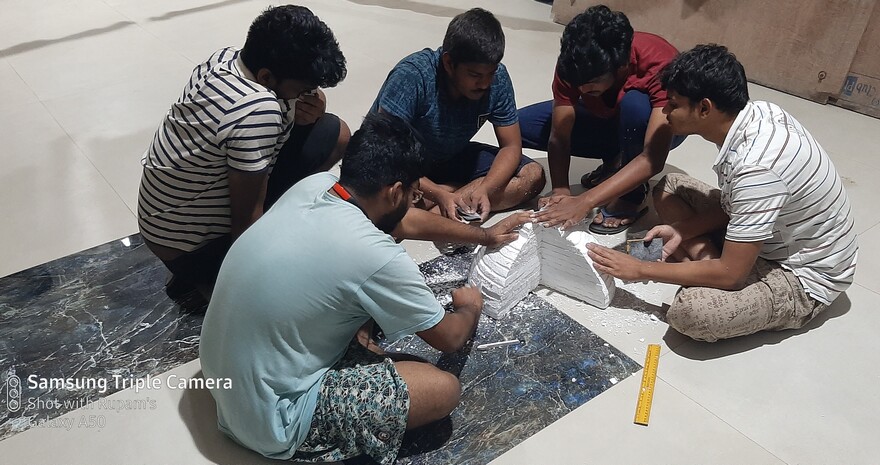
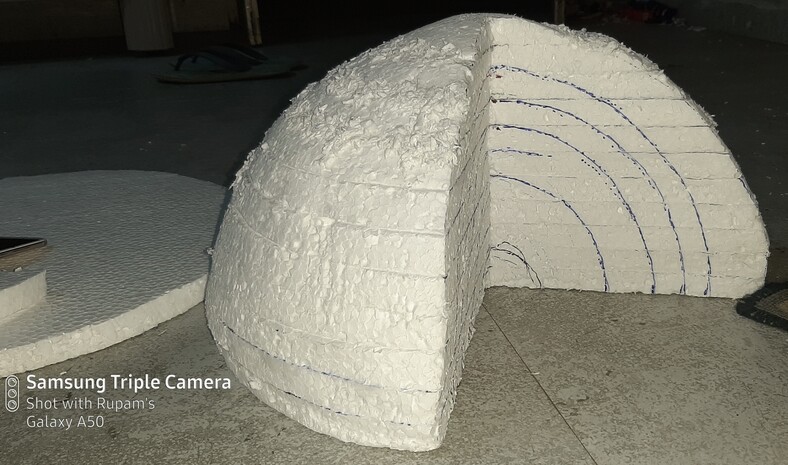
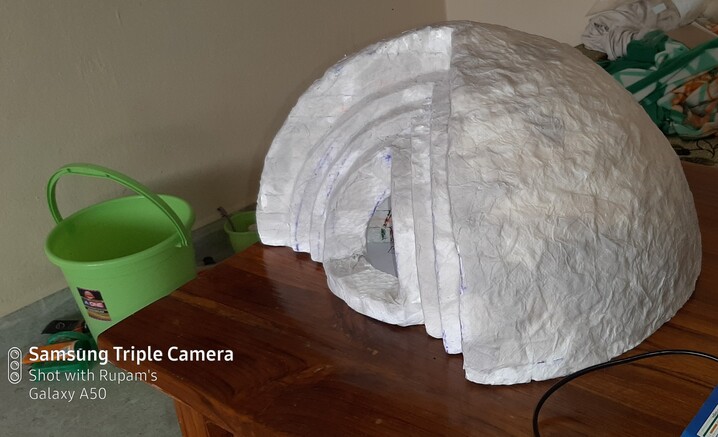
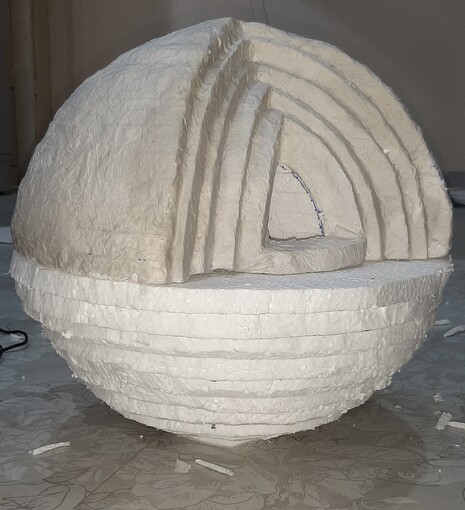
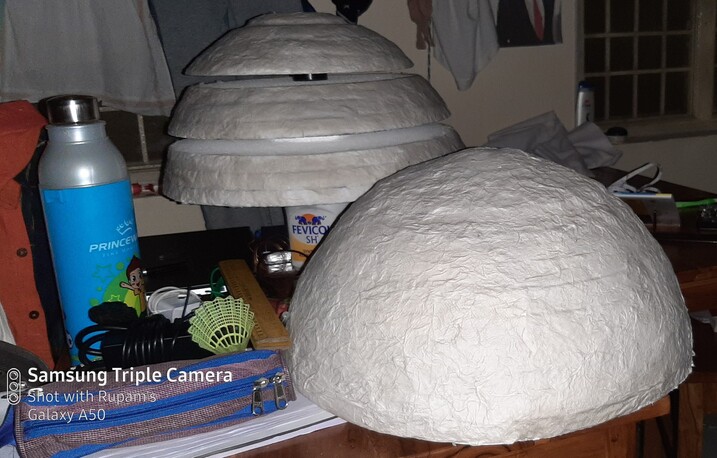
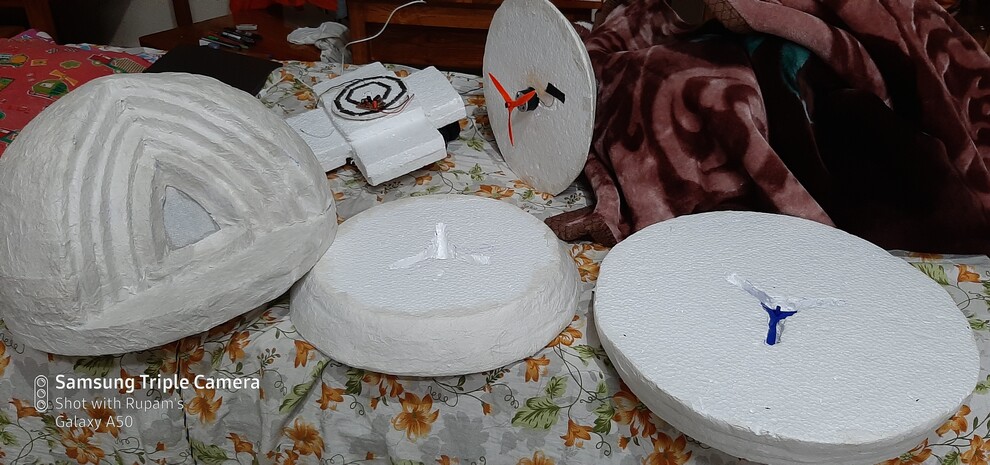
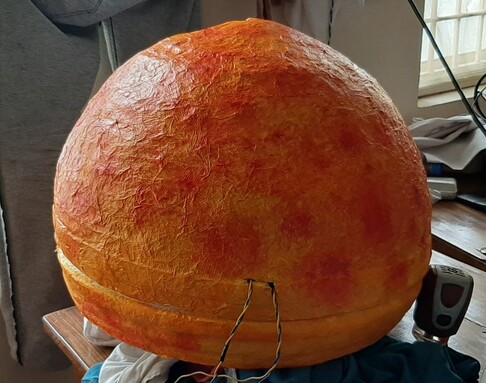
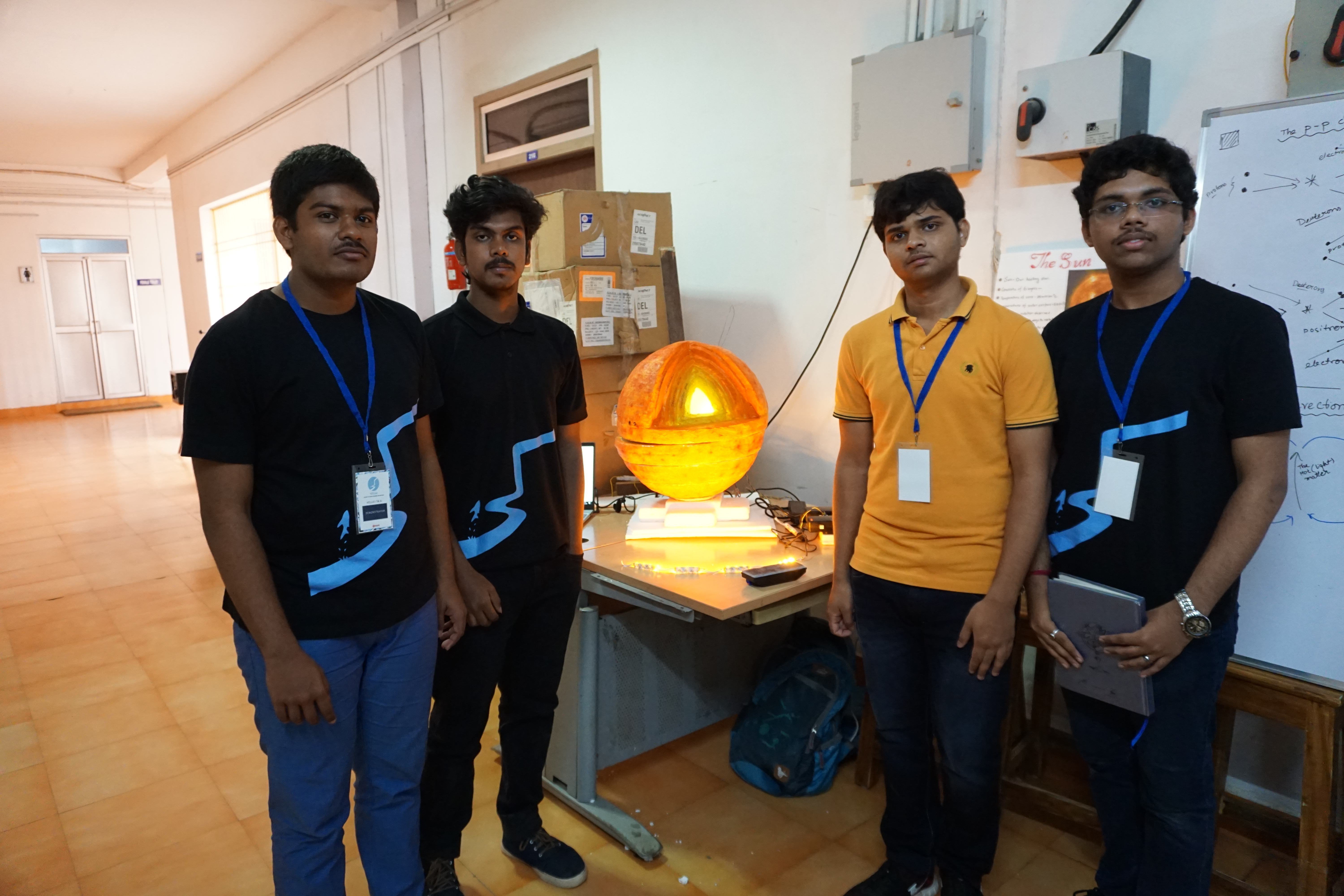
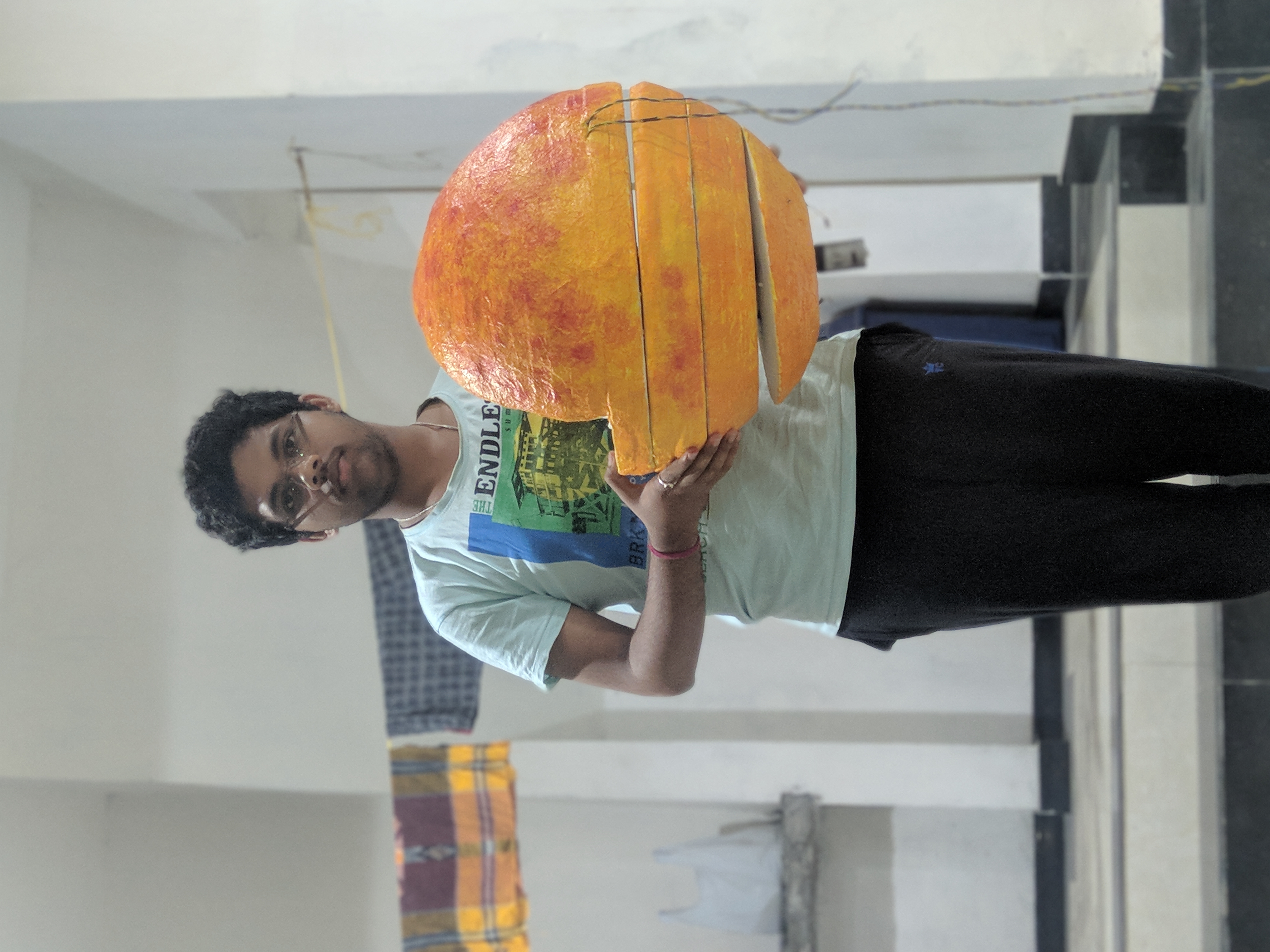
During my 1st year at IISER Berhampur, I led a team presentation in a science outreach program, where we created an educational model of the Sun. In this presentation, we explored the Sun's basic structure and introduced various solar phenomena, including sunspots, spicules, coronal mass ejections (CMEs), and prominences. We discussed differential rotation and the Sun's inner layers, highlighting the convection flow and the science behind sunspots. Additionally, we covered key concepts such as the temperature of the corona and the proton-proton chain reaction that powers the Sun. This project aimed to engage and inform the audience about the complexities of our closest star and its critical role in the solar system.
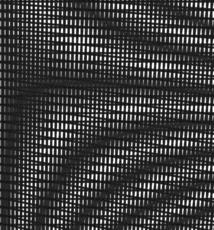
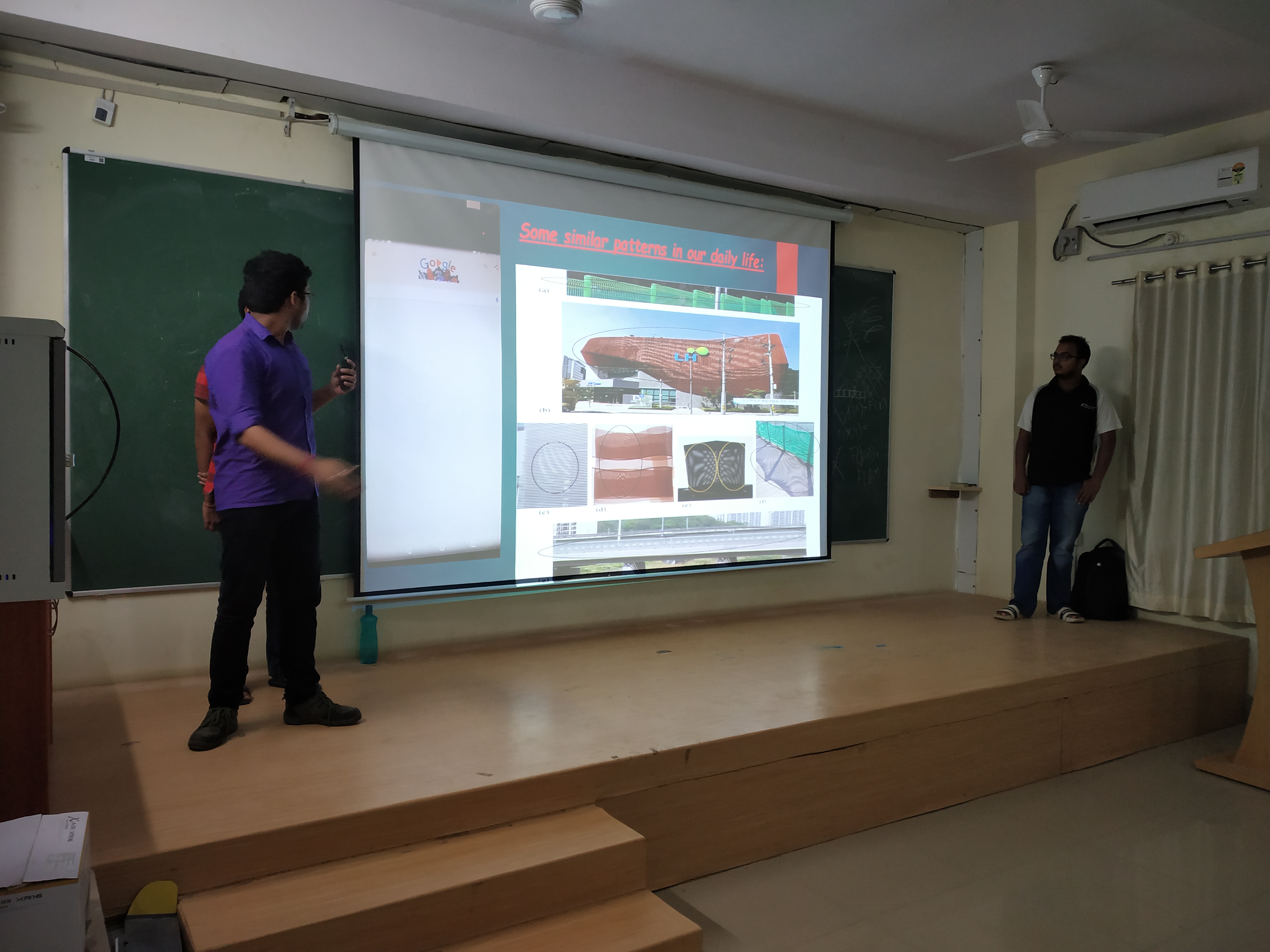
During my 1st year at IISER Berhampur, I delivered a team presentation on the Moire Effect, focusing on the cause of this fascinating visual phenomenon. We explained how the Moire pattern emerges when two or more grids or patterns overlap at slight angles, leading to interference and the creation of new patterns. The talk covered its underlying physics, practical applications, and relevance in fields like imaging and signal processing. This presentation was part of a contest called Physicist's Unseen Battle Ground (PUBG), where I participated with my classmates.
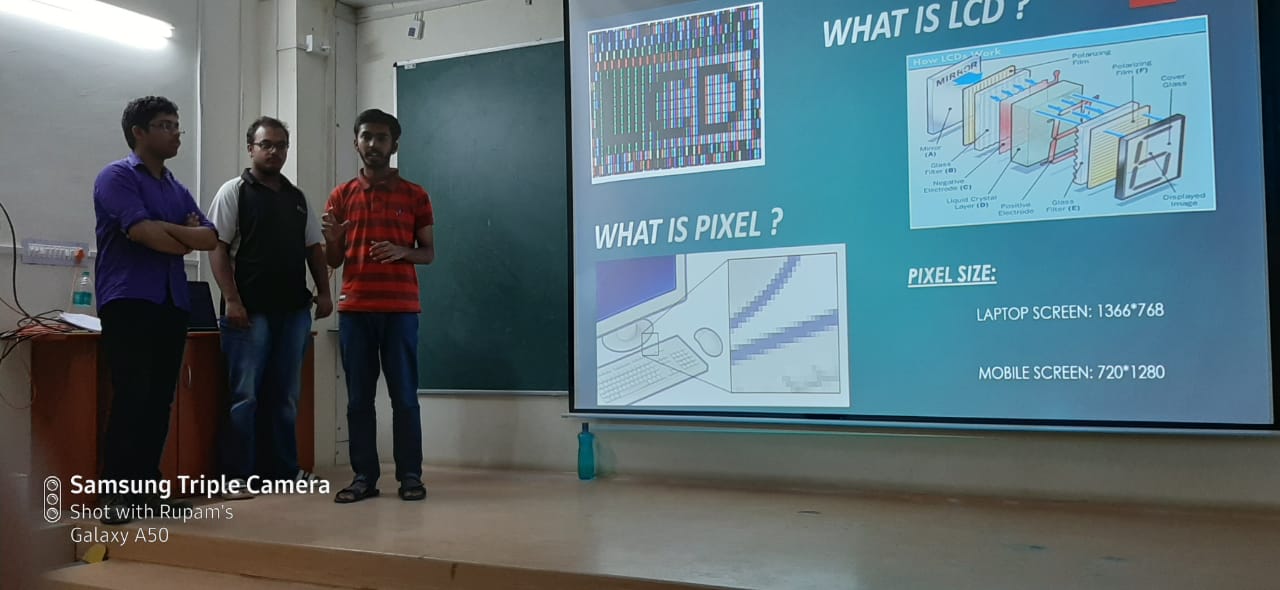
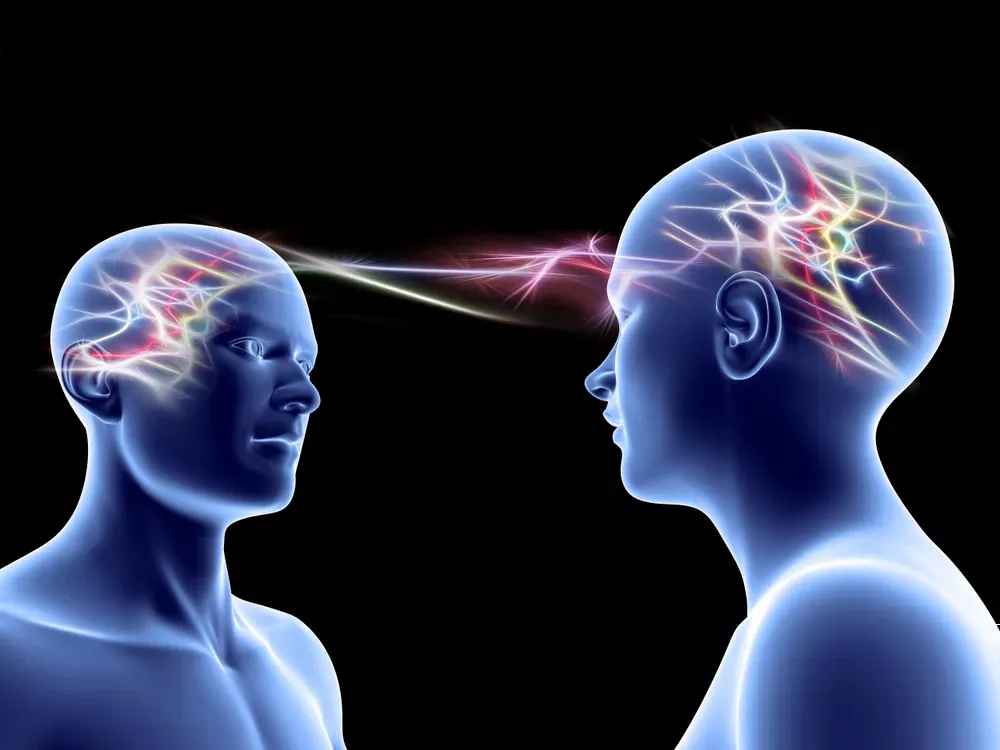
During my 1st year at IISER Berhampur, I participated in a pseudology competition where, along with a teammate, I delivered a presentation on telepathy as a form of Extrasensory Perception (ESP). We discussed how brain waves, produced by synchronized electrical activity in the brain, can be detected using EEG and proposed the hypothesis that, if brain signals can be detected, it may also be possible to introduce external signals to the brain. Our focus was on how the motor cortex, which controls voluntary movement, could potentially be influenced by these external signals, offering a speculative view on mind control.
.JPG)
.JPG)
.JPG)
.JPG)
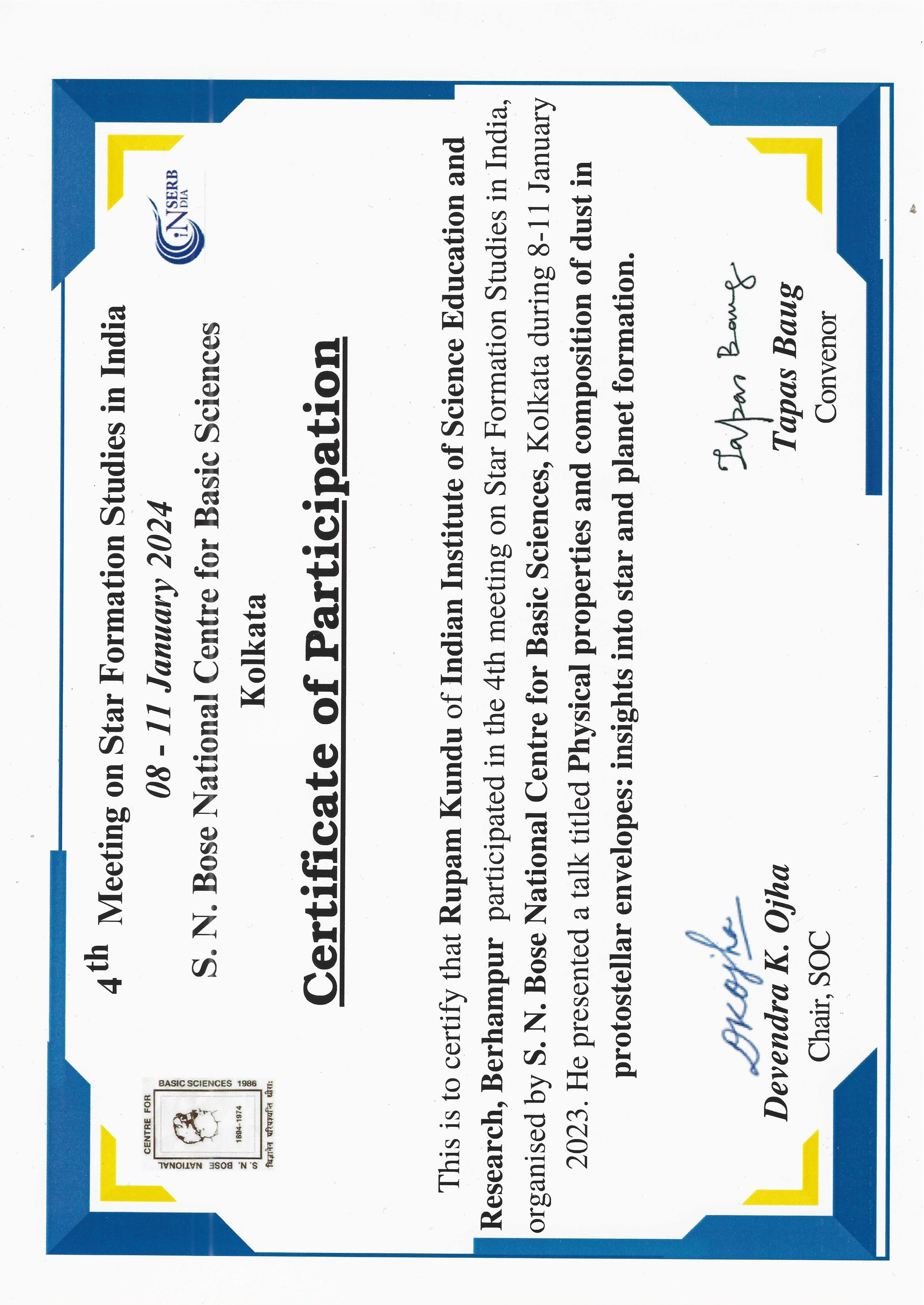
I got selected for a national conference Star Formation Studies in India (SF 2024). I participated in the four-day conference held at the S.N. Bose National Centre for Basic Sciences (SNBNCBS), where I presented my Master's thesis work (incomplete) during a poster presentation session.
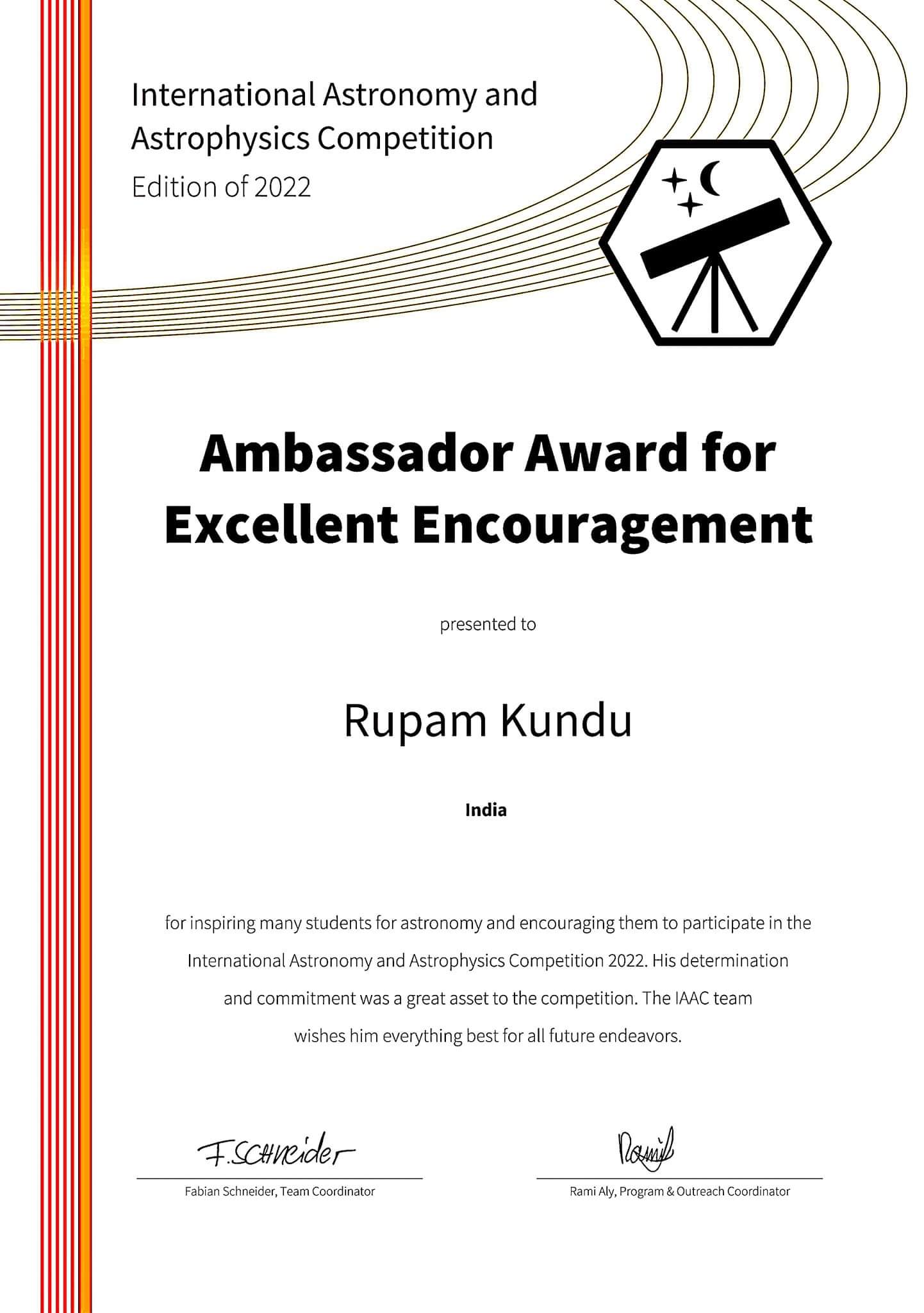
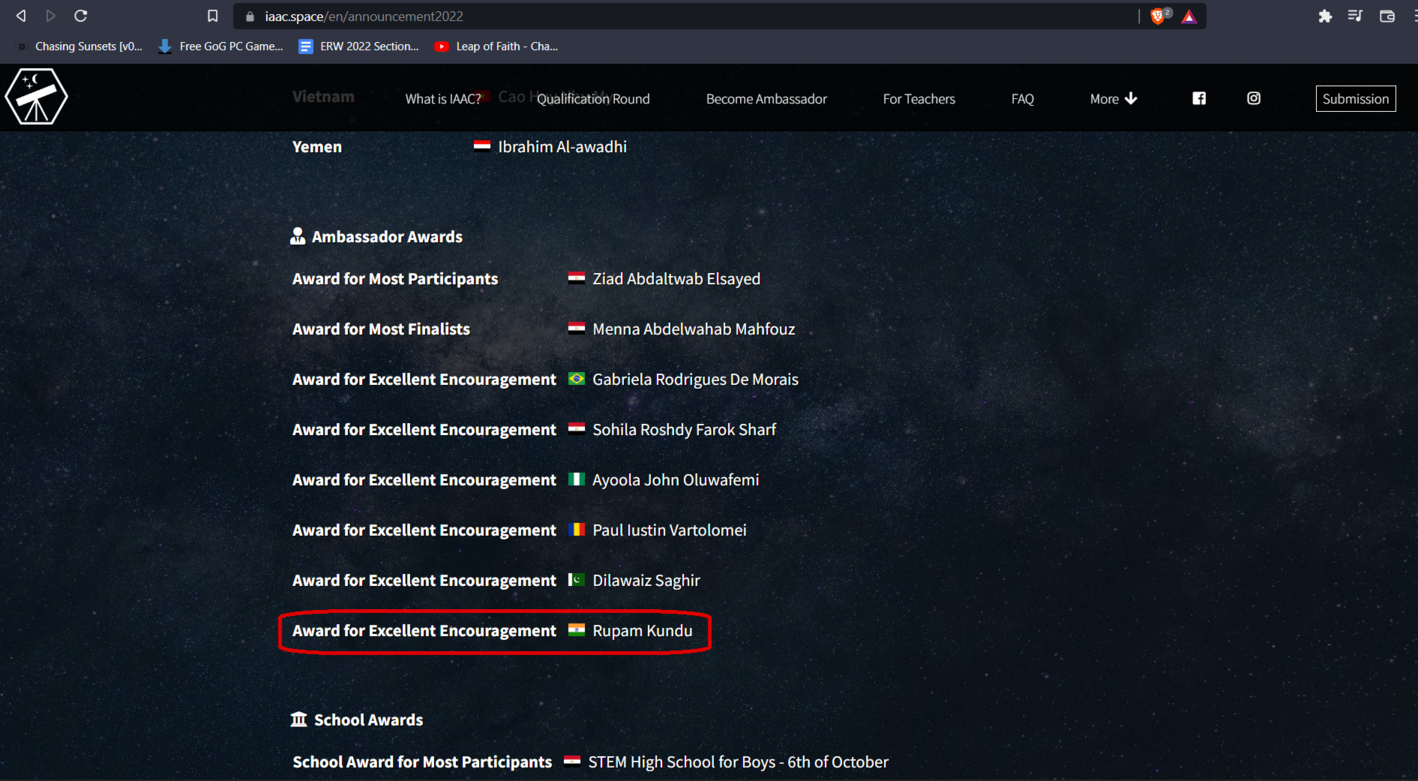
Being selected as official Ambassador, this award was given for outstanding contributions in IAAC 2022. Selected as one of the top 6 Ambassadors from all over the World.